Bring a Coat: Why British Campaigns Need a Second, Soggier Script
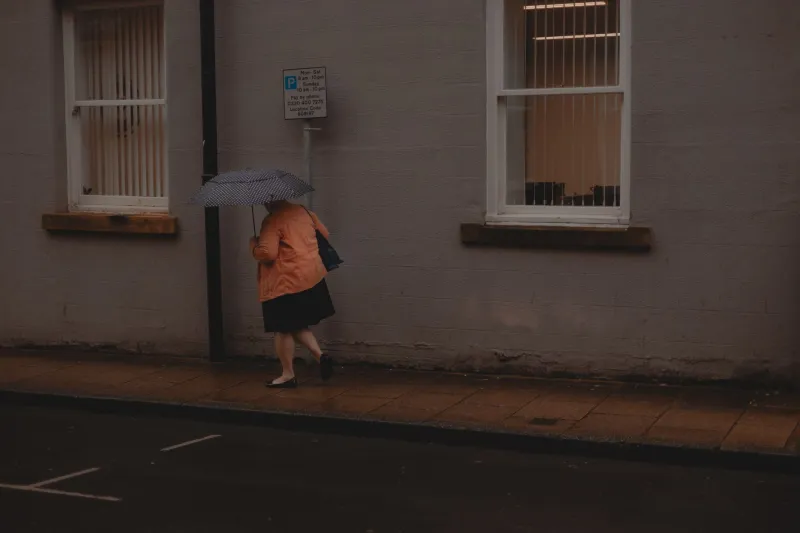
British weather is not a disruption to the plan. It is the plan. A campaign that only works under a dry sky and a mild 18 degrees is not a national campaign; it is a postcard. Rain, wind and the short dark afternoons of November change where people go, how long they stay and what they are willing to do in public. If your brand moment depends on people standing still, queuing up or having a nice time outdoors, you need a second script.
Rain does not cancel the moment. It changes the room.
The obvious effect of a wet day is fewer people on the high street. The less obvious effect is where they go instead. Footfall shifts from the open pavement to the covered arcade, the cafe, the pub, the bus and the phone. People arrive later, stay for less time and abandon plans more easily. Meanwhile, scrolling goes up. Search terms get more practical. Delivery gets another look. A campaign that ignores this is effectively buying a sunny-day media plan and hoping for the best.
Wet weather also changes the emotional register. A bright outdoor activation asks people to join in. A rainy one asks them to make an effort. That is a different ask, and it needs a different answer. The brands that handle it well do not pretend the rain is not happening. They make the wet version feel deliberate, useful and occasionally funny.
The wet-weather checklist
1. Define what wet means. Do not leave the decision to a producer staring out of a window. Set triggers: a Met Office yellow warning, a rainfall rate, a wind speed, a temperature. Name the person who calls it and the time they call it. The worst wet-weather plan is the one that gets activated at 11am by committee.
2. Build the assets before you need them. At minimum, prepare a social variant, an in-store sign, a staff script, an email or SMS, and a digital out-of-home creative. If you are running an event, add a covered-area plan, a queue strategy and a clear line on refunds or rebooking. These are not extras. They are the campaign in a different coat.
3. Think postcode, not nation. A yellow warning in Cornwall is not a yellow warning in Manchester. UK weather is local and so is behaviour. A single national post saying it is raining will feel silly to half the audience. Use regional triggers and local copy where you can.
4. Be useful before you are clever. Rain humour has a short shelf life. A joke about umbrellas is fine once. A message that tells people the event is still on, the queue is covered or the sample is now indoors is better. The tone should be dry, not smug.
5. Move the moment indoors. If the sampling team cannot stand outside, put them in a partner cafe, a station concourse or a shopping centre. If the queue is getting soaked, shorten it or move it. If the photo opportunity is a washout, create a new one under cover. The campaign does not have to stop; it has to relocate.
6. Measure the wet version separately. Track redemption, footfall, online traffic and sentiment by weather condition. Otherwise you will learn nothing except that it rained. The wet-weather plan should produce its own small set of numbers, not just a story about resilience.
What good looks like
The best weather-led work shares one habit: it treats the forecast as a creative input, not a production problem. Festival brands have turned mud into merchandise and a shared joke. Coffee chains have used rainy-day app rewards to pull people in when the pavement is empty. Train operators and delivery brands have learned that a timely, human update is worth more than a glossy apology. None of these are miracles. They are versions.
Glastonbury is the obvious cultural example: the mud is part of the brand because everyone decided to make it part of the story. Most brands do not have a festival's permission to be grubby. But they do have permission to be practical. A pub with a sodden beer garden can say the garden is open, technically, and mean something. A retailer can move the demo under the awning. A local launch can become a smaller, warmer, drier launch and still count.
The second script is not the lesser script
The mistake is treating the wet-weather version as the emergency version. It should be designed with the same care as the sunny one: same brand, same idea, different conditions. That means budget, approvals and production time. A useful rule of thumb is to set aside 10 to 15 per cent of the campaign budget for weather variants and the decisions around them. It is cheaper than a launch that looks abandoned by lunchtime.
If you only build for sunshine, you are campaigning for about six days in July. The rest of the year is the real audience. Bring a coat.