Four Festive Campaigns That Don't Need a Tearjerker (or a John Lewis Budget)
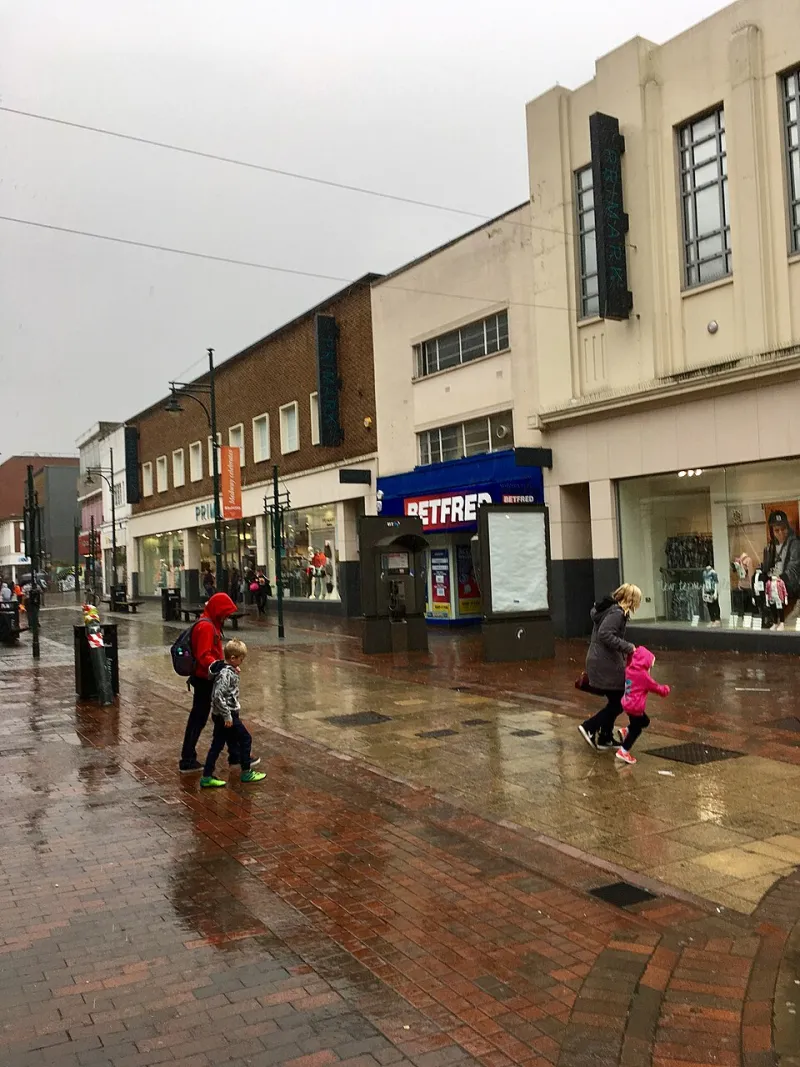
Photo: Chris Whippet , CC BY-SA 2.0, via Wikimedia Commons
It is early November 2026, which means the Christmas adverts have already started. By the time you read this, someone will have released a three-minute film about a lonely snowman, a grandad's forgotten recipe or a child who befriends a bauble. It will be shot like cinema, scored like a memory and shared like a national event. And within 48 hours, at least four other brands will have done something remarkably similar.
This is the John Lewis effect. Not the ads themselves — the instinct to copy their shape. The emotional mini-film has become the default festive move for UK brands with a budget and a nervous marketing director. It is expensive, it is safe and it is now so imitable that it has stopped being a differentiator.
That doesn't mean it doesn't work. It means it is no longer the only way to work. For smaller brands, challenger brands and anyone who cannot justify a six-figure production budget, the more interesting question is this: what would a festive campaign look like if it refused to look like a Christmas ad at all?
Here are four strategies worth considering for 2026 — with a candid look at what each one costs and what it risks.
1. The anti-ad
The anti-ad is not a new idea, but it is still underused at Christmas. Instead of a glossy film, you make something that openly resists the conventions of the season: a print ad that says nothing, a social post that lists what you are not doing, a fake trailer for a film that doesn't exist, a genuinely useful email that doesn't mention Christmas once.
The tone matters. The anti-ad should feel like a confident wink, not a sulk. Done well, it signals that your brand knows the rules well enough to break them. Done badly, it looks like a brand that couldn't afford the rules.
What it costs: Low to medium. A clever print or social idea can be produced for a fraction of a film. The real cost is creative courage and approval time.
What it risks: Being read as smug or stingy. The anti-ad only works if there is a clear point of view behind it. If the joke is just "Christmas ads are silly", it will land flat.
2. The local takeover
Instead of trying to reach the whole country, own one place completely. A high street, a market, a bus route, a football stand, a single postcode. Put your brand physically into the local Christmas ritual: sponsor the lights, run a gift-wrapping stall, take over a café window, pay for the town's Santa grotto and make it genuinely good.
This is particularly useful for brands with a regional identity or a physical presence. It is also the strategy most likely to generate real local press, because local journalists are always short of stories that aren't about potholes.
What it costs: Medium. The production is often cheap; the coordination is not. You need people on the ground and a clear plan for what happens after the lights go off.
What it risks: It doesn't scale. A brilliant local takeover is exactly that — local. If your board wants national reach, this will feel like a compromise. But if your brand is built on community, it can be far more credible than a generic film.
3. The useful gift
Give something away that people actually want. Not a branded bauble. Not a downloadable wallpaper. A real tool, a genuinely helpful guide, a free service, a piece of content that solves a festive problem. Think: a calculator that works out how much to spend on Secret Santa, a template for writing to a difficult relative, a map of quiet places to escape the sales, a playlist for the drive home.
The useful gift works because it sidesteps the emotional arms race entirely. It says: we are not going to make you cry, we are going to make your week slightly easier. That is a legitimate brand position, especially for service businesses and B2B brands that struggle with tinsel.
What it costs: Medium to high, depending on the tool. A simple content series is cheap. A properly built interactive tool is not. The hidden cost is maintenance — a useful gift that breaks in January is worse than no gift at all.
What it risks: Utility can feel cold. The best versions still have a bit of personality. If it feels like a lead-generation form with a bow on top, people will notice.
4. The deliberate no-campaign
This is the most radical option: don't make a Christmas campaign at all. Instead, say why. Publish a short, honest note explaining that you are sitting this one out, that you would rather spend the money on something else, or that your team is taking a proper break. Then do something quietly decent with the budget — donate it, support a local charity, give your staff the day off.
The no-campaign is not the same as doing nothing. It is a deliberate absence, clearly explained. It works best for brands that have already built a reputation for honesty or restraint. It is also the strategy most likely to be remembered, precisely because everyone else is shouting.
What it costs: Low. In fact, it can save money. The cost is the opportunity you are choosing not to take.
What it risks: Invisibility. If your customers expect a festive moment from you, silence can read as indifference. The explanation has to be genuine, not a humblebrag.
The real brief for 2026
The John Lewis-style tearjerker is not going anywhere. It is a legitimate craft form, and some brands will do it beautifully this year. But it has become the festive equivalent of a generic stock photo: technically fine, emotionally familiar, easy to imitate.
If you are running a smaller brand, or a challenger, or simply a brand that wants to be noticed, the better brief might be the opposite. Make something that could only be yours. Make it cheap enough to be honest. Make it local enough to be real. Or make nothing at all — and explain why.
The best festive idea this year might not look like a Christmas ad. It might look like a refusal to make one.