After the Last Train: The Late-Shift Brand Audit

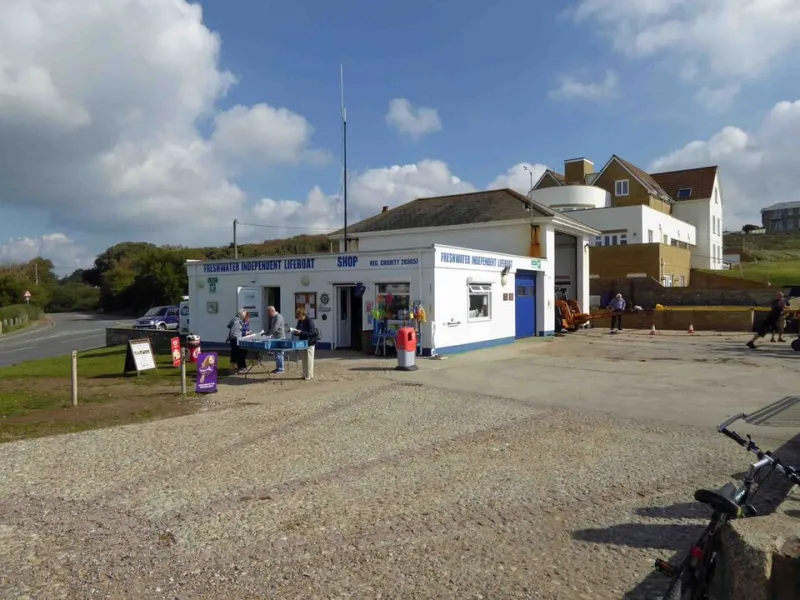
Photo by Photo by Kamsin Kaneko on Unsplash on Unsplash
At 11:47 on a Tuesday, a brand stops being a set of slides. The last train home is pulling out, the closing-time website is still asking whether you accept cookies, and the call-centre script is doing that bright, brittle thing it does when the person reading it has four minutes left on their shift. Nobody in the room is in the mood to interpret. That is the point.
The hour when polish falls away
Most brand reviews happen in daylight. A team gathers around a table, someone opens the guidelines PDF, and everyone agrees that the tone is warm but not fluffy, clear but not blunt. It is a useful exercise. It is also incomplete.
The late shift is where the operation shows its seams. A shutter-down sign with no phone number. A checkout page that times out. A recorded message that says your call is important and then plays four minutes of silence. A delivery text that arrives after the shop has closed. None of these are campaigns. All of them are brand experiences, and they arrive at the moment when customers have the least patience to forgive them.
Why tired customers are honest customers
Tired people do not read the values page. They need a next step. They need to know whether the shop is open, whether the parcel has arrived, whether the appointment is still going ahead, and whether the person on the phone can actually help. When the answer is buried under three screens and a cheery animation, the brand does not feel cheerful. It feels like more work.
The 11:47 test is shorthand for one question: would a tired customer still understand who you are and what to do next? Not because you have to be open at midnight, but because some part of your brand is always open: the website, the app, the inbox, the phone line, the sign in the window.
Run the late-shift audit
Pick a real evening. Do not stage it. Follow one journey from last transaction to final message, and write down what actually happens.
- Start at 22:30. Use the public website, phone line, chat window or app as a customer would. Note where you have to think twice.
- Count the time tax. How many clicks, repeats, holds or re-entries before you get a clear answer? That is the extra effort your brand is asking for after hours.
- Read the tired script aloud. If it sounds like it was written for a training video rather than a person at 11pm, rewrite it.
- Check the exit. When the interaction ends, does the customer know what happens next, or are they left to guess?
- Ask the closing team. They see the failures in real time. Ask what they wish head office could hear.
- Fix one thing by Friday. A sign, a script, a page, a confirmation message. Small and specific beats a relaunch.
What good looks like after dark
Good late-night brand work is calm, specific and short. 'We are closed until 8am. For urgent repairs, call this number.' 'Your driver is 12 minutes away. If you are not in, tap here.' 'Your order is packed. Collect from the side door before 7pm.' No jokes that need a second read. No exclamation marks doing the work of a plan.
The visual identity matters less here than the sequence. Can a tired person find the one line they need? Can they tell whether the message is live or automated? Can they get out of the loop without calling someone who is not there? These are not glamorous questions. They are the questions that decide whether a customer comes back on a weekday morning.
Do not turn it into a stunt
The temptation is to make a late-night campaign. Resist it. A campaign about being available after hours is only convincing if the operation can carry it. Otherwise it becomes another piece of polish that peels off by 10pm.
Use the audit internally. Take photographs of the shutter sign, screenshots of the website, and notes from the closing shift. Put them in the next brand review next to the nice deck. The gap between the two is your real brief.
The last mile is the brand
Blue Lemons thinking usually starts with the odd, overlooked object: the carrier bag, the mug, the sign in the window. The late shift is one of those objects. It is the last mile of the brand, the bit that customers meet when they are least able to be generous.
Test that version. If it holds up, you have something sturdier than a tone of voice. You have a brand that behaves like itself when everyone is tired.